Ceria
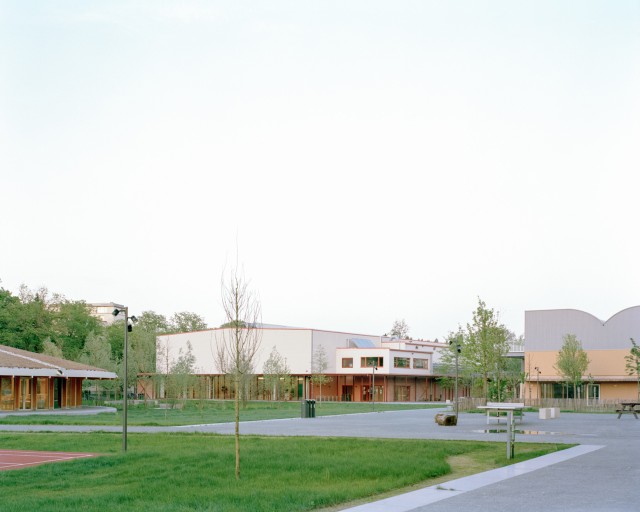
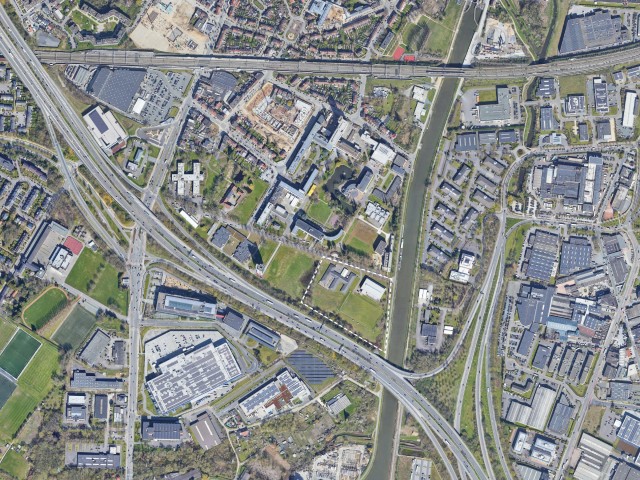
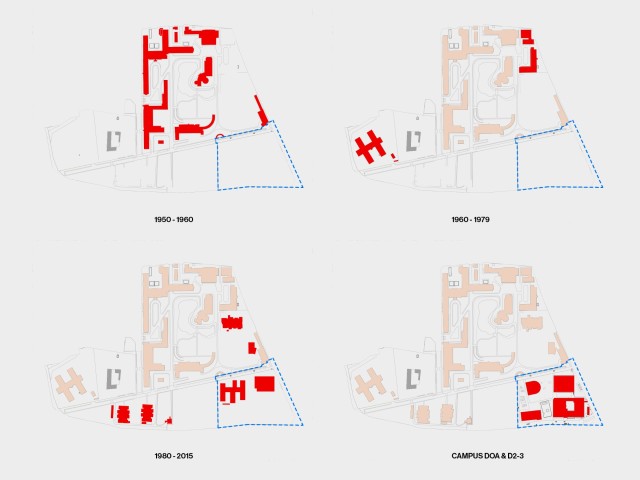
Since the initial project from Coutens and Polak, the Ceria campus has grown within a triangle of infrastructural borders. This development took place without questioning the overall quality of its landscape, its identity, and its relationship towards the borders. Commissioned by the COCOF, the new school complex is located on the remaining available plots of the campus and aims to reinforce the identity of the site at its edges and to improve the legibility of a diverse and rich educational landscape.
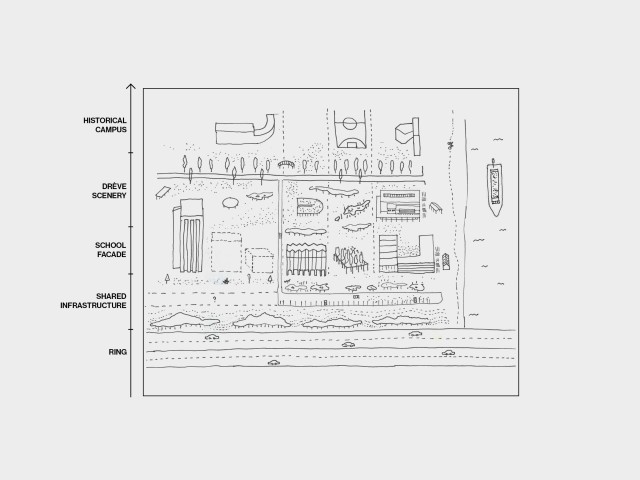
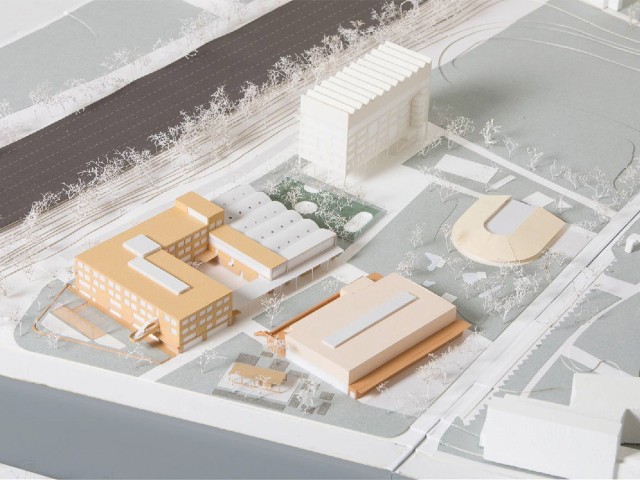
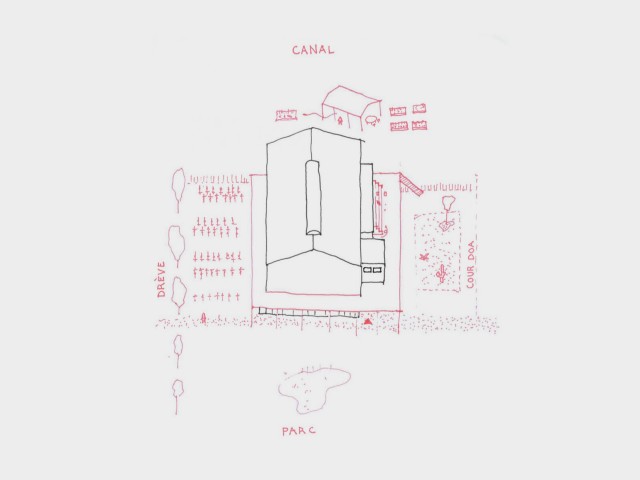
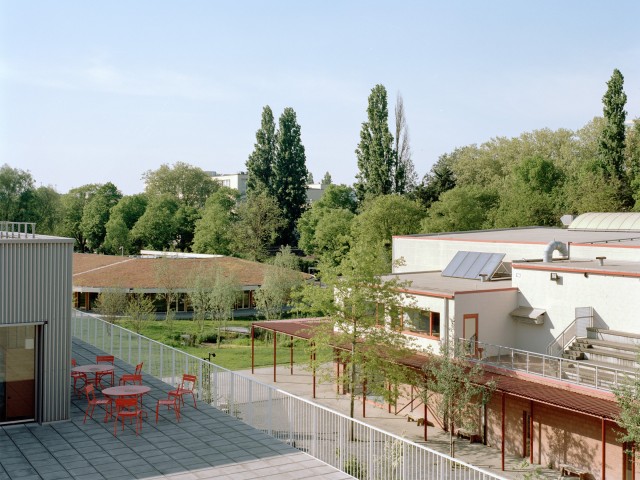
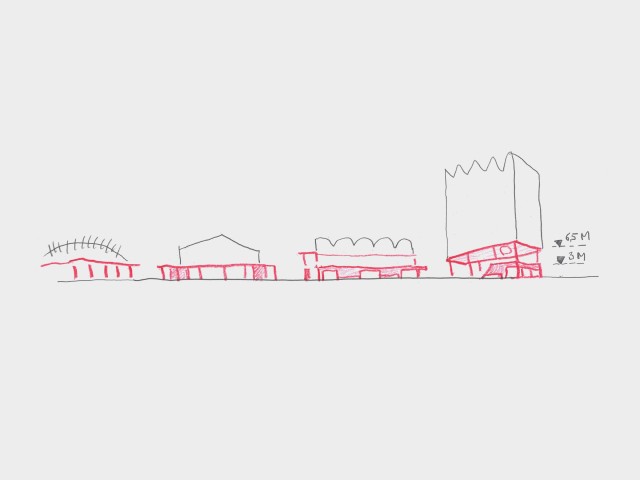
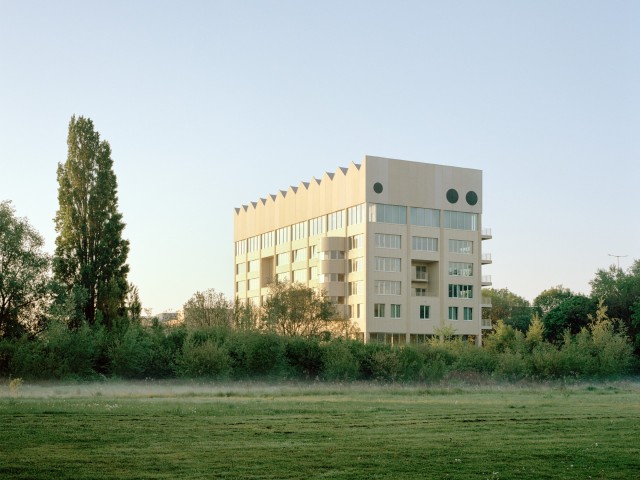
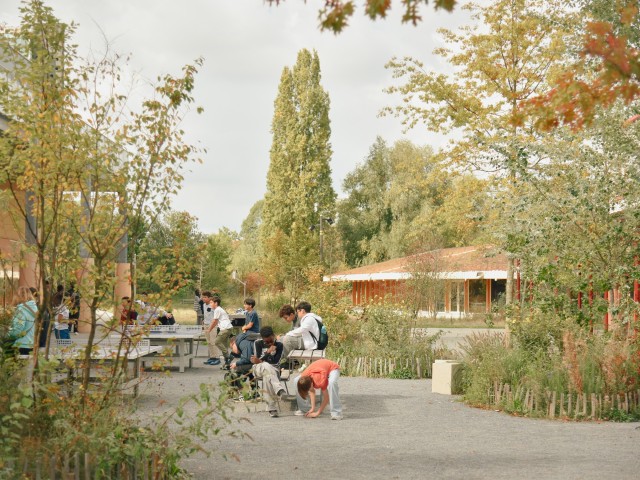
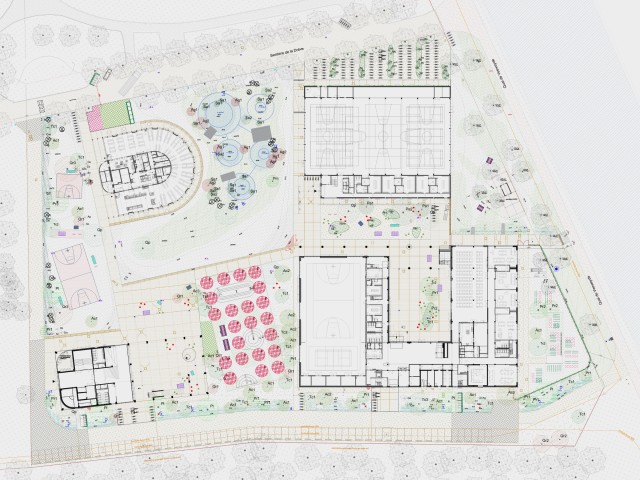
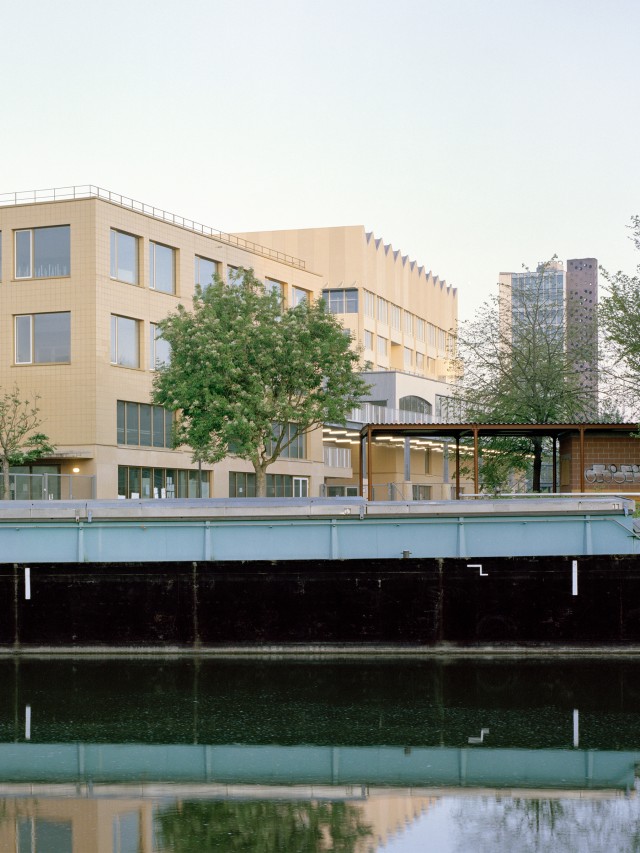
By reducing the footprint of the new buildings to a minimum, the project frees up space for the development of a park. The two new schools shape a built backdrop along the Ring and introduce a new façade for the campus towards the canal: a horizontal school close to the water and a vertical school facing the Ring. The rest of the site is conceived as a park, where a cafeteria and a sports hall stand as pavilions. Following the existing grid paths of the site and the logic of the existing façade, the project becomes an extension and an update of the original Ceria campus model.
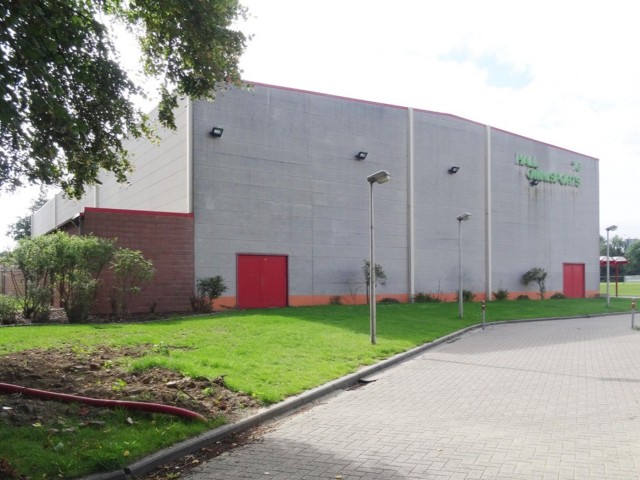
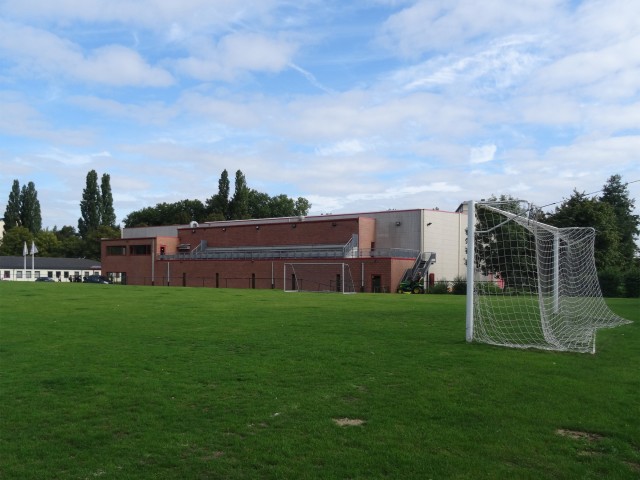
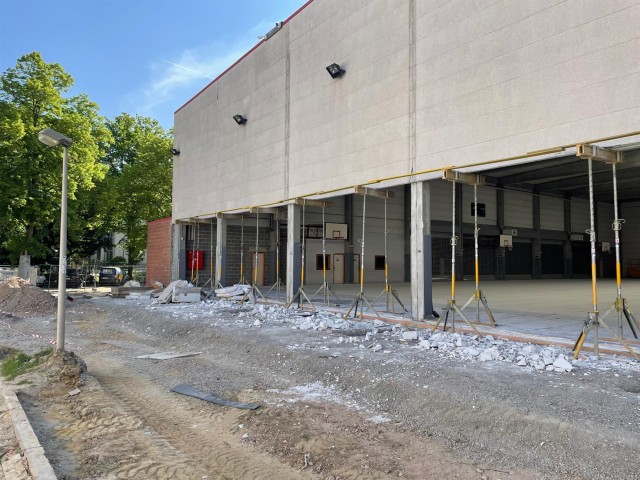
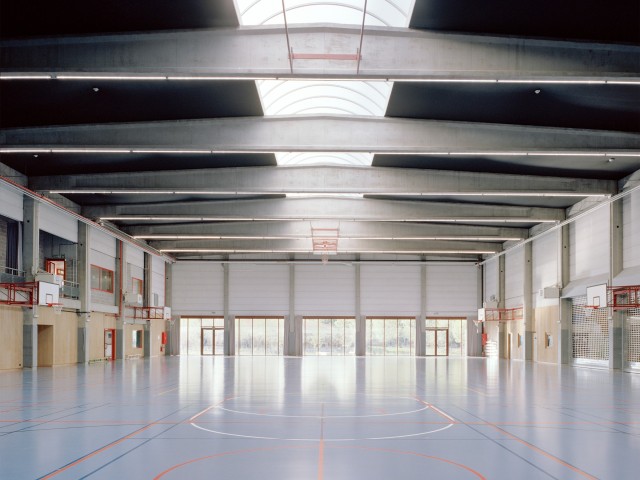
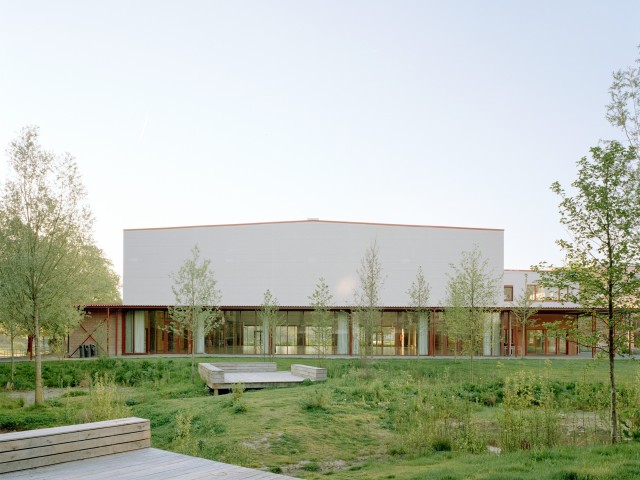
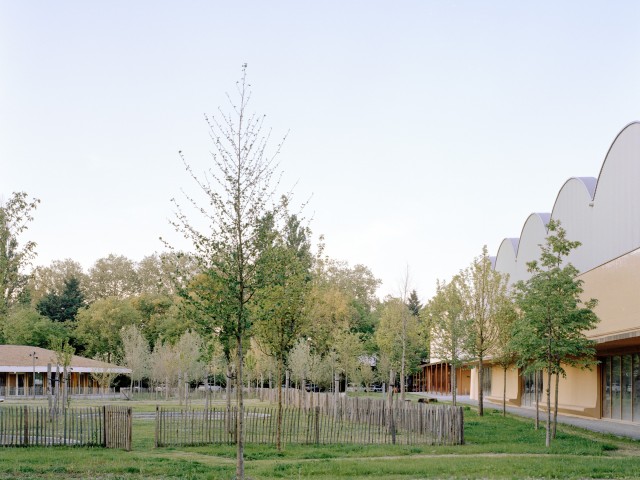
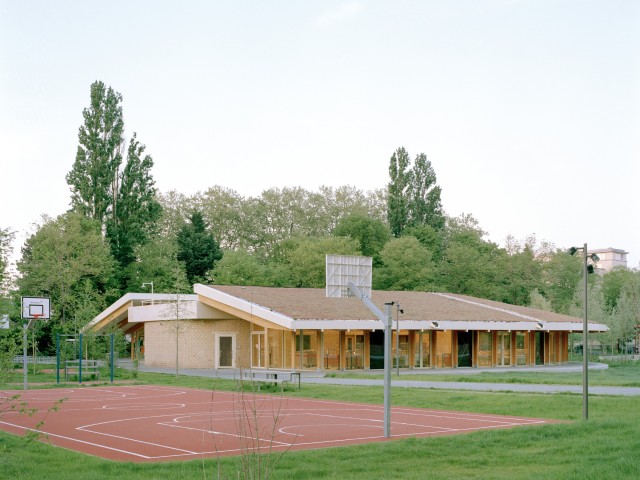
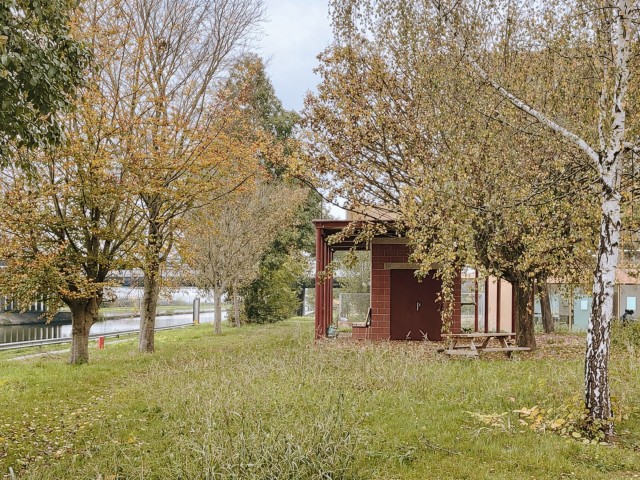
In this regard, the existing sports hall, initially scheduled for demolition, was refurbished through targeted interventions to strategically allow the budget to be preserved for the development of the park. The façades were opened to reveal the sport programs, while giving pedestrians a glimpse into the campus views from the banks of the canal. The campus fence was relocated, turning the sports hall into a new public façade together with a small public folly, conceived as a programmable structure within the park, establishing a new entrance from the canal. A thin metal canopy was added to three façades to articulate the building in its new context.
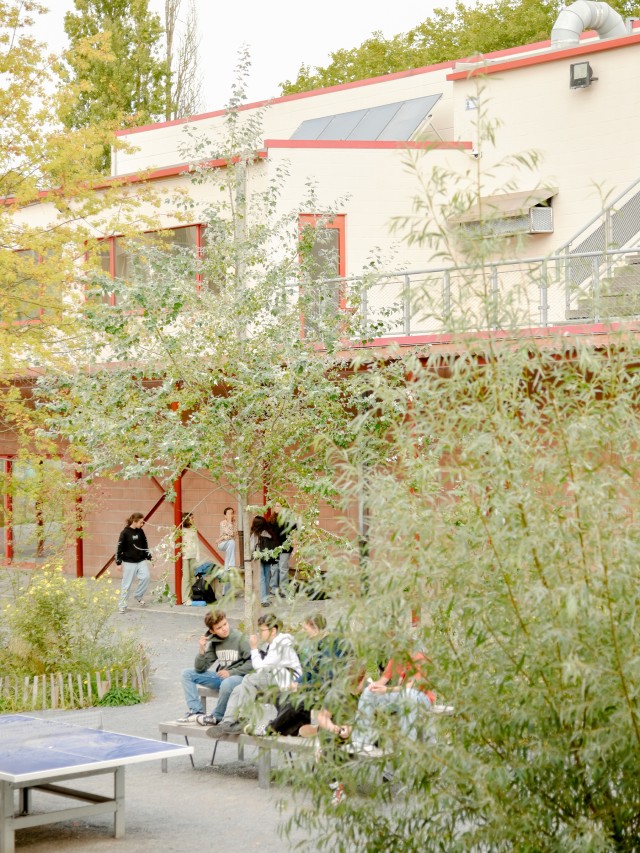
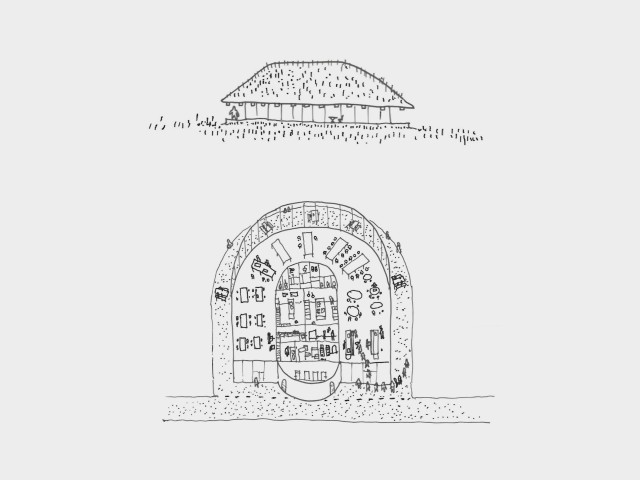
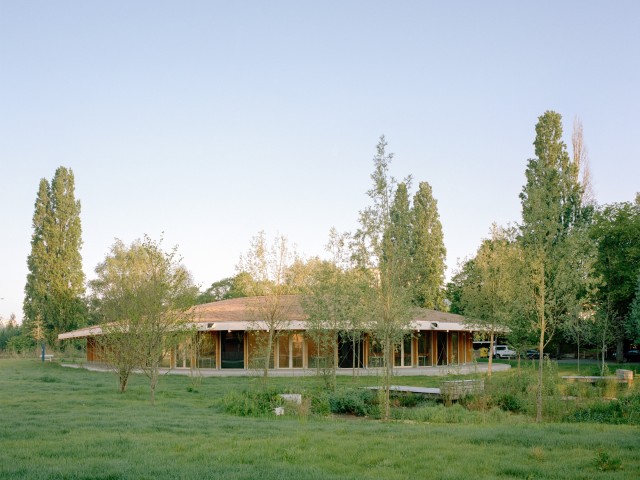
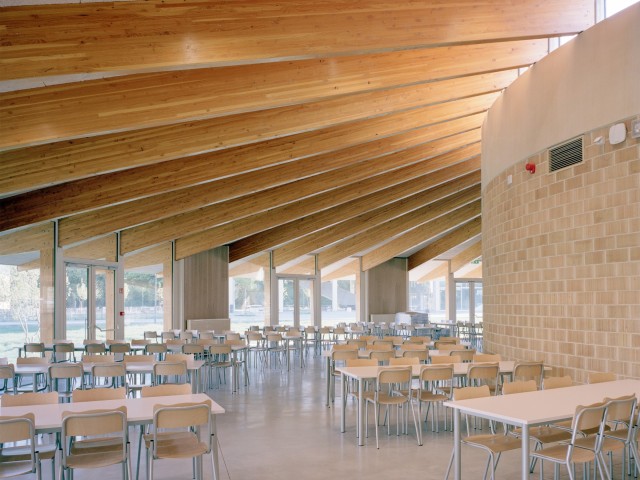
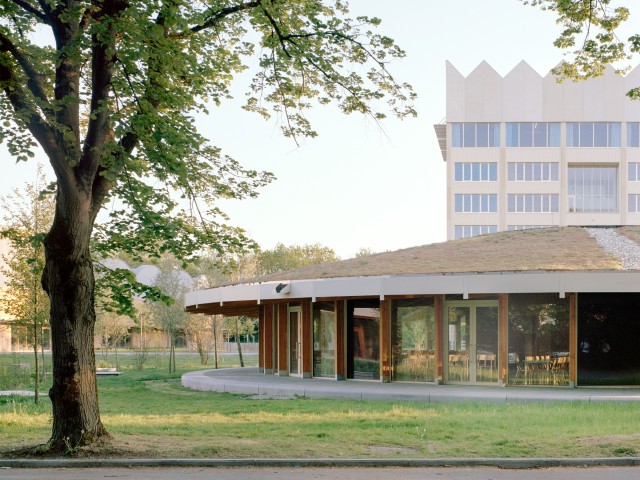
As such, the budgetary choice made it possible to accommodate a biodiverse landscape as the backbone of the project. The landscape acts as a prerequisite, forming the foundation that links all spaces together. There are no residual areas, all ground floors open widely onto the landscape, which actively contributes to the quality and everyday use of the park. Within this logic, the cafeteria pavilion was conceived as a pragmatic roof structure, a small artificial hill, organized around a central kitchen and open to the park.
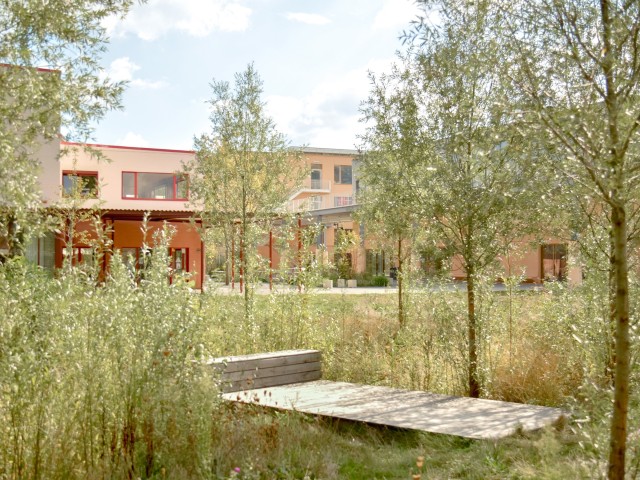
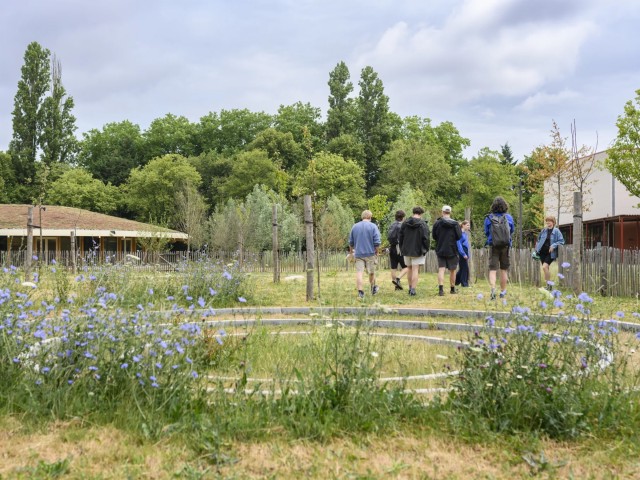
To perpetuate existing biodiversity, the landscape is structured around two intersecting biotopes crossing each other between and beneath the schools, a wetland system follows the inner path, while a wooded edge reinforces the embankment along the Ring. These two existing plant structures were preserved and strengthened, forming a rich, multilayered and perennial landscape, while ultimately reducing maintenance. The park also provides an ideal framework for the development of active, multifunctional spaces, capable of accommodating courtyards, cultural events, community gatherings and educational initiatives.
-
Location
Brussels, Belgium
-
Client
COCOF
-
Competition
2017
-
Completion
2024
-
In collaboration with
V+, MSA
-
51N4E involvement
Masterplan (together with V+, MSA), sports hall, cafeteria & landscape (full process)
-
51N4E project team
Johan Anrys, Pu Hsien Chan, Yann Gueguen, Matthieu Moreau, Matteo Novarino, Freek Persyn
-
Construction management
Bureau Bouwtechniek
-
Structural engineer
Greisch
-
Technical engineer & PEB
MK Engineering
-
Building physics & acoustics engineer
Daidalos Peutz
-
Landscape
51N4E, Plant & Houtgoed
-
Programme
Cafeteria, sports hall (refurbishment), landscape, a middle school and a high school
-
Site surface
19.500 m²
-
Built surface
18.500 m²
-
Budget
€ 33.000.000
-
Image credits
V+, MSA, 51N4E, Plant & Houtgoed
-
Photography
Maxime Delvaux, Sepideh Farvardin, Plant & Houtgoed, 51N4E